Buy firstproject.eu ?
We are moving the project
firstproject.eu .
Are you interested in purchasing the domain
firstproject.eu ?
domain@kv-gmbh.de · 0541-91531010
Buy firstproject.eu ?
What are the differences between covalent bonds, metallic bonds, and ionic bonds?
Covalent bonds are formed when two atoms share electrons, resulting in a strong bond between the atoms. Metallic bonds occur between metal atoms, where the electrons are delocalized and free to move throughout the structure, creating a strong bond. Ionic bonds are formed between a metal and a nonmetal, where one atom transfers electrons to the other, resulting in the formation of positively and negatively charged ions that are attracted to each other. Overall, covalent bonds involve electron sharing, metallic bonds involve electron delocalization, and ionic bonds involve electron transfer. **
Do CO bonds form with other CO bonds?
No, CO bonds do not typically form with other CO bonds. Carbon monoxide (CO) is a stable molecule with a triple bond between the carbon and oxygen atoms. This triple bond is strong and does not readily form additional bonds with other CO molecules. Instead, CO molecules tend to interact with other types of molecules through various types of chemical reactions. **

Similar search terms for Bonds
Top-Angebote
Products related to Bonds:
-
Dr. Seuss's Beginner Book CollectionA perfect gift for new parents, birthday celebrations, and happy occasions of all kinds, this collection of five beloved Beginner Books by Dr. Seuss. The Cat in the HatOne Fish Two Fish Red Fish Blue Fish Green Eggs and HamHop on Pop and Fox in...44,95 $*Shipping: 0,00 $Secure redirect to the provider
-
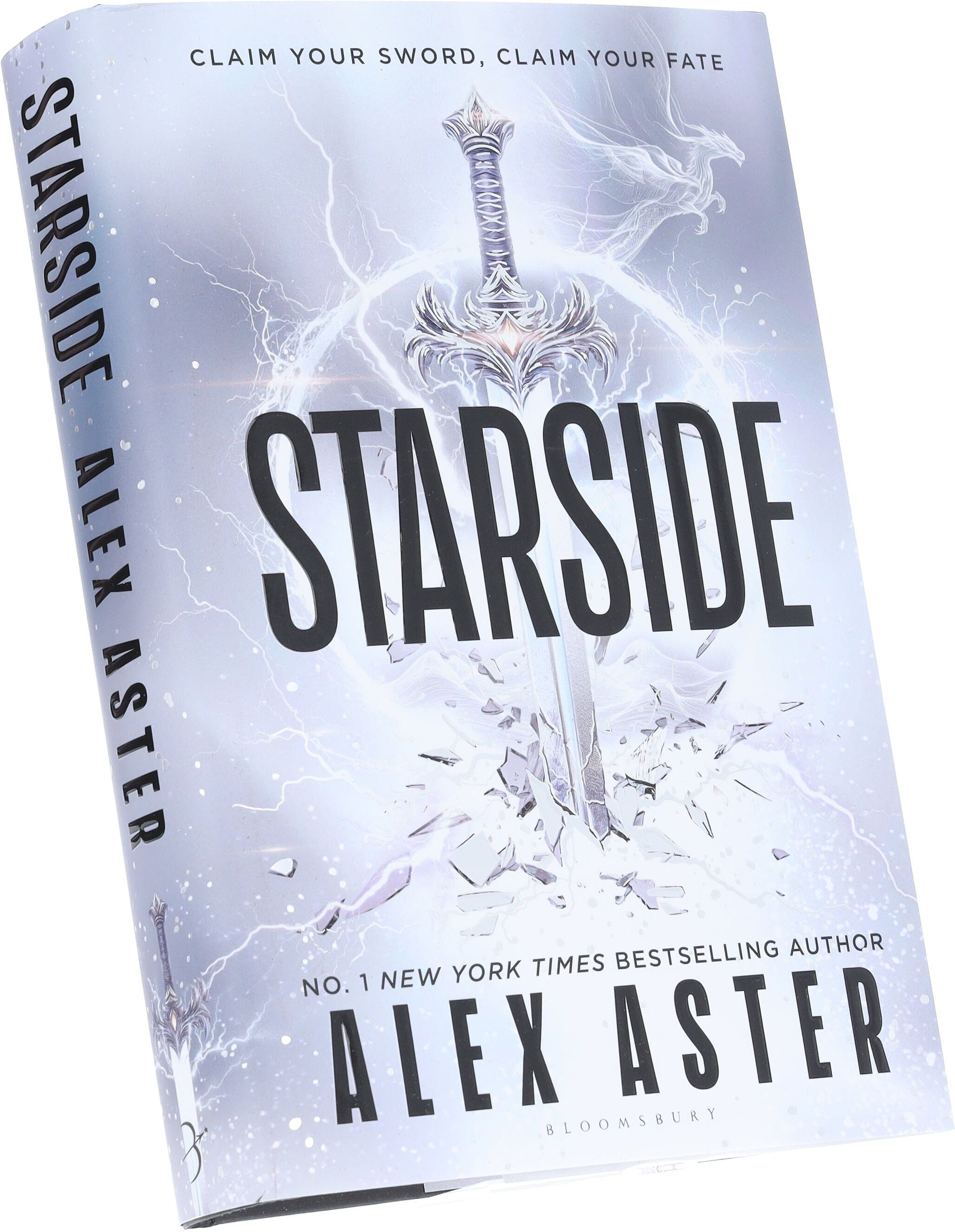
Starside: The unmissable adult romantasy debut by Alex Aster - Fiction - Hardback Bloomsbury PublishingThe stunning standard edition of Starside, with illustrated endpapers, a special hardcover case design and jacket effects. Enter the enchanting and deadly world of Starside, where swords have magic and power isn't inherited – it's claimed. Hundreds of years ago, a brutal war split a land in two. Starside is the realm of magic and immortals – the descendants of the gods, living in a power-rich paradise. Stormside is where mortals fight for scraps of that magic. Every fifty years, the gates between them open, and fifty challengers are allowed to journey across Starside on a deadly quest for magic that can heal, grant wealth or extend life. Everyone has their reasons for entering, but Aris has only one: vengeance against the gods who killed her family. Winning one of the fifty spots on the quest won't be easy. An orphaned blacksmith's apprentice, Aris doesn't have the superior weapons of the heirs from the Great Houses. But the greatest swords, ones that contain power, are not inherited or bought – they are claimed, by both sides. And when Aris claims a great sword, it makes her not just a real competitor... but a target. Countless dangers await on Starside. With a blade most would kill to take, Aris can't trust anyone. Especially not Harlan Raker, the merciless and mysterious knight who betrayed her years ago – and who may now be the key to her survival. But Aris is hiding a secret tied to her family's death. And when it's revealed, not even the gods will be able to stop what's coming...16,99 £*Shipping: 2,99 £Secure redirect to the provider
-
Hi-Line Ocean Breeze Maiden StatueInspired by classical beauty and the movement of water, this elegant maiden statue captures a graceful figure poised as if dancing in the sea breeze. With flowing drapery and a wave-inspired base, it brings a soft, romantic energy to any space.239,99 $*Shipping: 0,00 $Secure redirect to the provider
-
Britax Pioneer 70 Harness Booster Car Seat - RedwoodThe Britax Pioneer 70 Combination Harness-2-Booster? Seat offers premium safety, comfort and convenience for your growing child that is ready to graduate from their convertible car seat.True Side Impact Protection provides deep side walls and a head...184,00 $*Shipping: 0,00 $Secure redirect to the provider



-
Why are intermolecular bonds weaker than electron pair bonds?
Intermolecular bonds are weaker than electron pair bonds because they involve interactions between molecules rather than within a single molecule. In intermolecular bonds, the attractive forces between molecules are generally weaker than the covalent bonds that hold atoms together within a molecule. Additionally, intermolecular bonds are typically temporary and can be easily broken, whereas electron pair bonds are strong and stable. Overall, the weaker nature of intermolecular bonds allows molecules to move and interact with each other more freely. **
-
Why are intermolecular bonds generally weaker than covalent bonds?
Intermolecular bonds are generally weaker than covalent bonds because they involve interactions between molecules rather than within a single molecule. Covalent bonds involve the sharing of electrons between atoms, creating strong bonds within a molecule. In contrast, intermolecular bonds, such as hydrogen bonds or van der Waals forces, are weaker because they are based on temporary interactions between molecules, which can be easily broken. Additionally, intermolecular bonds are influenced by factors such as distance and orientation, further contributing to their weaker nature compared to covalent bonds. **
-
Why are intermolecular bonds typically weaker than covalent bonds?
Intermolecular bonds are typically weaker than covalent bonds because they involve interactions between molecules rather than within a single molecule. In intermolecular bonds, the attractive forces between molecules, such as van der Waals forces or hydrogen bonding, are weaker than the strong sharing of electrons in covalent bonds. Additionally, intermolecular bonds are more easily broken or disrupted by changes in temperature or pressure, leading to lower bond energies compared to covalent bonds. **
-
Why are intermolecular bonds typically weaker than electron pair bonds?
Intermolecular bonds are typically weaker than electron pair bonds because they involve interactions between molecules rather than within a single molecule. In intermolecular bonds, the attractive forces between molecules are generally weaker than the covalent bonds that hold atoms together within a molecule. Additionally, intermolecular bonds are usually based on weaker forces such as van der Waals forces, hydrogen bonding, or dipole-dipole interactions, which are not as strong as the sharing or transfer of electrons in covalent or ionic bonds. **


Why are intermolecular bonds generally weaker than electron pair bonds?
Intermolecular bonds are generally weaker than electron pair bonds because they involve interactions between molecules, which are larger and less localized than the interactions between atoms in a covalent bond. In intermolecular bonds, the attractive forces are typically weaker due to the larger distance between molecules and the lack of direct sharing of electrons. In contrast, electron pair bonds involve the sharing of electrons between atoms, leading to stronger and more localized bonding interactions. **
Why are polar bonds lower in energy than nonpolar bonds?
Polar bonds are lower in energy than nonpolar bonds because they involve the unequal sharing of electrons between two atoms with different electronegativities. This unequal sharing creates a dipole moment, which results in an attractive force between the partially positive and partially negative ends of the molecule. This electrostatic attraction lowers the overall energy of the molecule compared to nonpolar bonds, where electrons are shared equally. As a result, polar bonds are typically stronger and more stable than nonpolar bonds. **
Top-Angebote
Products related to Bonds:
-
Inspired Finds Eternal Bonds Personalized Acrylic Photo Frame & Custom Couple Plaque Gift warm LightCapture Your Timeless Connection. Turn your most meaningful moments into a lasting keepsake with this elegant personalized acrylic photo frame. Designed specifically for couples who value memories that matter, this sleek, transparent display piece...110,99 $*Shipping: 0,00 $Secure redirect to the provider
-
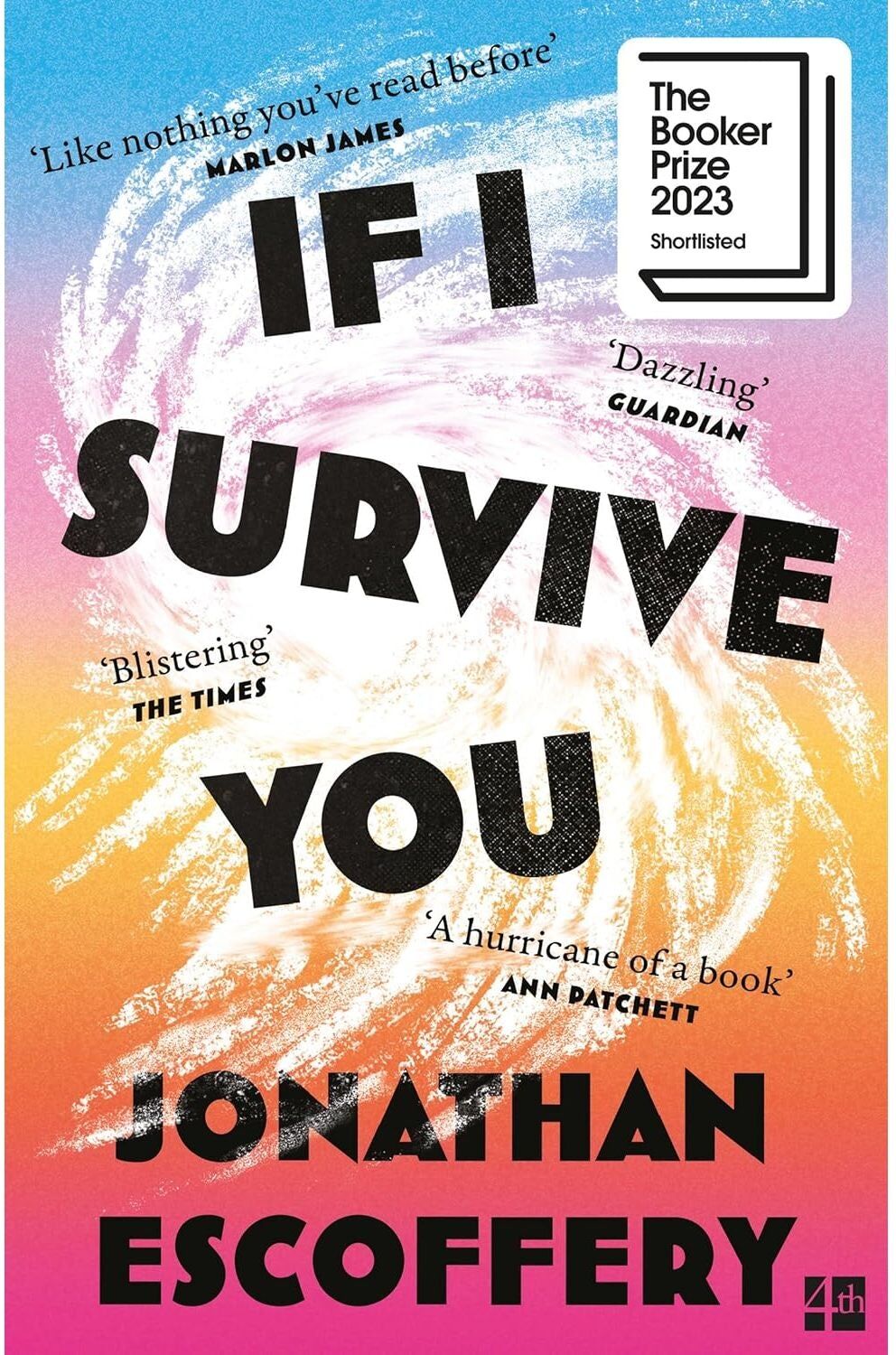
Fourth Estate If I Survive You: The Booker Prize shortlisted literary debutAn electrifying, hilarious and deeply moving tragicomic debut novel following a Jamaican family grappling with a new life in the US. ‘What are you?’ This is the puzzled question that greets a young Trelawny growing up in a Miami where his racial ambiguity is regarded with confusion and suspicion. It’s not just his neighbours, his Jamaican parents Topper and Sanya don’t seem to understand him either. Then there’s his stubborn older brother Delano, who is determined to secure a better future for his own children, no matter what it takes. As both brothers navigate the challenges littered in their path – a woefully unreliable father, racism, recession and even a hurricane – they find themselves increasingly at odds. Will they make it through together or must one brother’s future come at the cost of the other?7,99 £*Shipping: 2,99 £Secure redirect to the provider
-
Dr. Seuss's Beginner Book CollectionA perfect gift for new parents, birthday celebrations, and happy occasions of all kinds, this collection of five beloved Beginner Books by Dr. Seuss. The Cat in the HatOne Fish Two Fish Red Fish Blue Fish Green Eggs and HamHop on Pop and Fox in...44,95 $*Shipping: 0,00 $Secure redirect to the provider
-
Starside: The unmissable adult romantasy debut by Alex Aster - Fiction - Hardback Bloomsbury PublishingThe stunning standard edition of Starside, with illustrated endpapers, a special hardcover case design and jacket effects. Enter the enchanting and deadly world of Starside, where swords have magic and power isn't inherited – it's claimed. Hundreds of years ago, a brutal war split a land in two. Starside is the realm of magic and immortals – the descendants of the gods, living in a power-rich paradise. Stormside is where mortals fight for scraps of that magic. Every fifty years, the gates between them open, and fifty challengers are allowed to journey across Starside on a deadly quest for magic that can heal, grant wealth or extend life. Everyone has their reasons for entering, but Aris has only one: vengeance against the gods who killed her family. Winning one of the fifty spots on the quest won't be easy. An orphaned blacksmith's apprentice, Aris doesn't have the superior weapons of the heirs from the Great Houses. But the greatest swords, ones that contain power, are not inherited or bought – they are claimed, by both sides. And when Aris claims a great sword, it makes her not just a real competitor... but a target. Countless dangers await on Starside. With a blade most would kill to take, Aris can't trust anyone. Especially not Harlan Raker, the merciless and mysterious knight who betrayed her years ago – and who may now be the key to her survival. But Aris is hiding a secret tied to her family's death. And when it's revealed, not even the gods will be able to stop what's coming...16,99 £*Shipping: 2,99 £Secure redirect to the provider
-
What are the differences between covalent bonds, metallic bonds, and ionic bonds?
Covalent bonds are formed when two atoms share electrons, resulting in a strong bond between the atoms. Metallic bonds occur between metal atoms, where the electrons are delocalized and free to move throughout the structure, creating a strong bond. Ionic bonds are formed between a metal and a nonmetal, where one atom transfers electrons to the other, resulting in the formation of positively and negatively charged ions that are attracted to each other. Overall, covalent bonds involve electron sharing, metallic bonds involve electron delocalization, and ionic bonds involve electron transfer. **
-
Do CO bonds form with other CO bonds?
No, CO bonds do not typically form with other CO bonds. Carbon monoxide (CO) is a stable molecule with a triple bond between the carbon and oxygen atoms. This triple bond is strong and does not readily form additional bonds with other CO molecules. Instead, CO molecules tend to interact with other types of molecules through various types of chemical reactions. **
-
Why are intermolecular bonds weaker than electron pair bonds?
Intermolecular bonds are weaker than electron pair bonds because they involve interactions between molecules rather than within a single molecule. In intermolecular bonds, the attractive forces between molecules are generally weaker than the covalent bonds that hold atoms together within a molecule. Additionally, intermolecular bonds are typically temporary and can be easily broken, whereas electron pair bonds are strong and stable. Overall, the weaker nature of intermolecular bonds allows molecules to move and interact with each other more freely. **
-
Why are intermolecular bonds generally weaker than covalent bonds?
Intermolecular bonds are generally weaker than covalent bonds because they involve interactions between molecules rather than within a single molecule. Covalent bonds involve the sharing of electrons between atoms, creating strong bonds within a molecule. In contrast, intermolecular bonds, such as hydrogen bonds or van der Waals forces, are weaker because they are based on temporary interactions between molecules, which can be easily broken. Additionally, intermolecular bonds are influenced by factors such as distance and orientation, further contributing to their weaker nature compared to covalent bonds. **
Similar search terms for Bonds
-
Hi-Line Ocean Breeze Maiden StatueInspired by classical beauty and the movement of water, this elegant maiden statue captures a graceful figure poised as if dancing in the sea breeze. With flowing drapery and a wave-inspired base, it brings a soft, romantic energy to any space.239,99 $*Shipping: 0,00 $Secure redirect to the provider
-
Britax Pioneer 70 Harness Booster Car Seat - RedwoodThe Britax Pioneer 70 Combination Harness-2-Booster? Seat offers premium safety, comfort and convenience for your growing child that is ready to graduate from their convertible car seat.True Side Impact Protection provides deep side walls and a head...184,00 $*Shipping: 0,00 $Secure redirect to the provider
-
Britax Pioneer G1.1 Harness Booster Car Seat - Reflect---Specs Tables Start--- table.tableizer-table { border: 0px solid #CCC; font-family: Arial, Helvetica, sans-serif; font-size: 14px;} .tableizer-table td { padding: 1px; margin: 3px; border: 0px solid #ccc;}.tableizer-table th { background-color:...158,69 $*Shipping: 0,00 $Secure redirect to the provider
-
Why are intermolecular bonds typically weaker than covalent bonds?
Intermolecular bonds are typically weaker than covalent bonds because they involve interactions between molecules rather than within a single molecule. In intermolecular bonds, the attractive forces between molecules, such as van der Waals forces or hydrogen bonding, are weaker than the strong sharing of electrons in covalent bonds. Additionally, intermolecular bonds are more easily broken or disrupted by changes in temperature or pressure, leading to lower bond energies compared to covalent bonds. **
-
Why are intermolecular bonds typically weaker than electron pair bonds?
Intermolecular bonds are typically weaker than electron pair bonds because they involve interactions between molecules rather than within a single molecule. In intermolecular bonds, the attractive forces between molecules are generally weaker than the covalent bonds that hold atoms together within a molecule. Additionally, intermolecular bonds are usually based on weaker forces such as van der Waals forces, hydrogen bonding, or dipole-dipole interactions, which are not as strong as the sharing or transfer of electrons in covalent or ionic bonds. **
-
Why are intermolecular bonds generally weaker than electron pair bonds?
Intermolecular bonds are generally weaker than electron pair bonds because they involve interactions between molecules, which are larger and less localized than the interactions between atoms in a covalent bond. In intermolecular bonds, the attractive forces are typically weaker due to the larger distance between molecules and the lack of direct sharing of electrons. In contrast, electron pair bonds involve the sharing of electrons between atoms, leading to stronger and more localized bonding interactions. **
-
Why are polar bonds lower in energy than nonpolar bonds?
Polar bonds are lower in energy than nonpolar bonds because they involve the unequal sharing of electrons between two atoms with different electronegativities. This unequal sharing creates a dipole moment, which results in an attractive force between the partially positive and partially negative ends of the molecule. This electrostatic attraction lowers the overall energy of the molecule compared to nonpolar bonds, where electrons are shared equally. As a result, polar bonds are typically stronger and more stable than nonpolar bonds. **
* All prices are inclusive of VAT and, if applicable, plus shipping costs. The offer information is based on the details provided by the respective shop and is updated through automated processes. Real-time updates do not occur, so deviations can occur in individual cases. ** Note: Parts of this content were created by AI.