Buy firstproject.eu ?
We are moving the project
firstproject.eu .
Are you interested in purchasing the domain
firstproject.eu ?
domain@kv-gmbh.de · 0541-91531010
Buy firstproject.eu ?
How high should you rev the engine during highway driving?
During highway driving, it is generally recommended to keep the engine revving at a moderate level, typically between 2,000 and 3,000 RPM. This allows for good fuel efficiency and reduces wear and tear on the engine. Revving the engine too high for extended periods can decrease fuel economy and increase engine stress, while revving too low can lead to sluggish acceleration and strain on the engine. It's important to find a balance that allows for smooth and efficient driving on the highway. **
What types of fan designs are there in automotive engine cooling?
There are two main types of fan designs used in automotive engine cooling: mechanical and electric. Mechanical fans are driven by the engine through a belt and pulley system, and they typically have a fixed speed. On the other hand, electric fans are powered by an electric motor and can be controlled to vary their speed based on engine temperature or other factors. Both types of fans are used to draw air through the radiator to help dissipate heat from the engine. **


Similar search terms for HIGHWAY-AUTOMOTIVE-11116003-Engine
Top-Angebote
Products related to HIGHWAY-AUTOMOTIVE-11116003-Engine:
-
HIGHWAY AUTOMOTIVE 10132002 Engine radiatorCore Length [mm]: 460; Core Width [mm]: 539; Core Depth [mm]: 62; Cooling Fin Material: Aluminium; Water Tank Material (radiator): Plastic; Radiator type: Brazed cooling fins; Supplementary Article / Supplementary Info Info 2: with frame304,99 £*Shipping: 1,99 £Secure redirect to the provider
-
HIGHWAY AUTOMOTIVE 10153001 Engine radiatorCore Length [mm]: 400; Core Width [mm]: 408; Core Depth [mm]: 56; Cooling Fin Material: Aluminium; Water Tank Material (radiator): Aluminium; Radiator type: Brazed cooling fins; Inlet Diameter [mm]: 32; Outlet Diameter [mm]: 32; Supplementary Article / Supplementary Info Info 2: with frame228,99 £*Shipping: 1,99 £Secure redirect to the provider
-
HIGHWAY AUTOMOTIVE 10132008 Engine radiatorCore Length [mm]: 500; Core Width [mm]: 538; Core Depth [mm]: 73; Cooling Fin Material: Aluminium; Water Tank Material (radiator): Plastic; Radiator type: Brazed cooling fins; Supplementary Article / Supplementary Info Info 2: with frame384,99 £*Shipping: 1,99 £Secure redirect to the provider


-
Can you drive a 125cc 2-stroke engine on the highway?
No, it is not recommended to drive a 125cc 2-stroke engine on the highway. These engines are typically found in smaller motorcycles or scooters, which may not have the power or speed capabilities needed for safe highway driving. Additionally, 2-stroke engines are known for their higher emissions and may not meet highway emission standards. It is best to use a vehicle with a larger engine size and more power for highway driving. **
-
Why does the engine stutter at idle after long highway drives?
The engine may stutter at idle after long highway drives due to a variety of reasons. One common cause could be a dirty or clogged fuel filter, which restricts the flow of fuel to the engine at idle. Another possibility is a malfunctioning idle control valve, which regulates the engine's idle speed. Additionally, issues with the spark plugs or ignition system can also lead to a rough idle after extended highway driving, as they may become worn out or damaged over time. **
-
Why does the engine stutter at idle after longer highway drives?
The engine may stutter at idle after longer highway drives due to a few potential reasons. One possibility is that the engine is overheating, causing it to run less efficiently at idle. Another potential cause could be a clogged fuel filter or dirty fuel injectors, which can disrupt the fuel flow and lead to a rough idle. Additionally, worn spark plugs or ignition coils can also cause the engine to stutter at idle after extended highway drives. It's important to have the vehicle inspected by a mechanic to diagnose and address the specific issue causing the stuttering. **
-
"Does the engine not reach normal operating temperature on the highway?"
If the engine does not reach normal operating temperature on the highway, it could indicate a problem with the thermostat, coolant levels, or a malfunctioning cooling system. A faulty thermostat may be stuck open, preventing the engine from reaching the proper temperature. Low coolant levels or a malfunctioning cooling system can also lead to the engine not reaching normal operating temperature. It is important to address this issue promptly to prevent potential damage to the engine and ensure optimal performance. **


Should one accelerate on the highway when the engine is cold?
No, it is not recommended to accelerate on the highway when the engine is cold. When the engine is cold, the oil and other fluids in the engine have not reached their optimal operating temperature, which can lead to increased wear and tear on the engine components. It is best to allow the engine to warm up for a few minutes before driving at high speeds to ensure proper lubrication and reduce the risk of damage to the engine. **
Can the engine also stall on the highway if driving at low RPM?
Yes, the engine can stall on the highway if driving at low RPM. When the engine is running at low RPM, it may not be generating enough power to maintain the vehicle's speed, especially if there is a sudden increase in load or a malfunction in the fuel or ignition system. This can cause the engine to stall, leading to a loss of power and potentially creating a dangerous situation on the highway. It is important to address any issues with the vehicle's engine performance to prevent stalling while driving. **
Top-Angebote
Products related to HIGHWAY-AUTOMOTIVE-11116003-Engine:
-
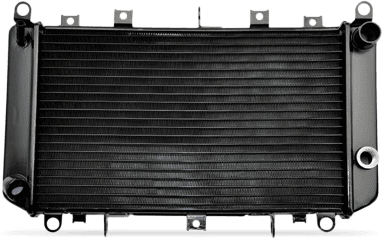
HIGHWAY AUTOMOTIVE 11116003 Engine radiatorCore Length [mm]: 480; Core Width [mm]: 427; Core Depth [mm]: 56; Cooling Fin Material: Aluminium; Water Tank Material (radiator): Plastic; Radiator type: Brazed cooling fins; Inlet Diameter [mm]: 34; Outlet Diameter [mm]: 34; Supplementary Article / Supplementary Info: with oil cooler; Supplementary Article / Supplementary Info Info 2: without frame215,99 £*Shipping: 1,99 £Secure redirect to the provider
-
HIGHWAY AUTOMOTIVE 10132002 Engine radiatorCore Length [mm]: 460; Core Width [mm]: 539; Core Depth [mm]: 62; Cooling Fin Material: Aluminium; Water Tank Material (radiator): Plastic; Radiator type: Brazed cooling fins; Supplementary Article / Supplementary Info Info 2: with frame304,99 £*Shipping: 1,99 £Secure redirect to the provider
-
HIGHWAY AUTOMOTIVE 10153001 Engine radiatorCore Length [mm]: 400; Core Width [mm]: 408; Core Depth [mm]: 56; Cooling Fin Material: Aluminium; Water Tank Material (radiator): Aluminium; Radiator type: Brazed cooling fins; Inlet Diameter [mm]: 32; Outlet Diameter [mm]: 32; Supplementary Article / Supplementary Info Info 2: with frame228,99 £*Shipping: 1,99 £Secure redirect to the provider
-
How high should you rev the engine during highway driving?
During highway driving, it is generally recommended to keep the engine revving at a moderate level, typically between 2,000 and 3,000 RPM. This allows for good fuel efficiency and reduces wear and tear on the engine. Revving the engine too high for extended periods can decrease fuel economy and increase engine stress, while revving too low can lead to sluggish acceleration and strain on the engine. It's important to find a balance that allows for smooth and efficient driving on the highway. **
-
What types of fan designs are there in automotive engine cooling?
There are two main types of fan designs used in automotive engine cooling: mechanical and electric. Mechanical fans are driven by the engine through a belt and pulley system, and they typically have a fixed speed. On the other hand, electric fans are powered by an electric motor and can be controlled to vary their speed based on engine temperature or other factors. Both types of fans are used to draw air through the radiator to help dissipate heat from the engine. **
-
Can you drive a 125cc 2-stroke engine on the highway?
No, it is not recommended to drive a 125cc 2-stroke engine on the highway. These engines are typically found in smaller motorcycles or scooters, which may not have the power or speed capabilities needed for safe highway driving. Additionally, 2-stroke engines are known for their higher emissions and may not meet highway emission standards. It is best to use a vehicle with a larger engine size and more power for highway driving. **
-
Why does the engine stutter at idle after long highway drives?
The engine may stutter at idle after long highway drives due to a variety of reasons. One common cause could be a dirty or clogged fuel filter, which restricts the flow of fuel to the engine at idle. Another possibility is a malfunctioning idle control valve, which regulates the engine's idle speed. Additionally, issues with the spark plugs or ignition system can also lead to a rough idle after extended highway driving, as they may become worn out or damaged over time. **
Similar search terms for HIGHWAY-AUTOMOTIVE-11116003-Engine
-
HIGHWAY AUTOMOTIVE 10132008 Engine radiatorCore Length [mm]: 500; Core Width [mm]: 538; Core Depth [mm]: 73; Cooling Fin Material: Aluminium; Water Tank Material (radiator): Plastic; Radiator type: Brazed cooling fins; Supplementary Article / Supplementary Info Info 2: with frame384,99 £*Shipping: 1,99 £Secure redirect to the provider
-
HIGHWAY AUTOMOTIVE 10116002 Engine radiatorCore Length [mm]: 475; Core Width [mm]: 418; Core Depth [mm]: 48; Cooling Fin Material: Aluminium; Water Tank Material (radiator): Plastic; Radiator type: Brazed cooling fins; Inlet Diameter [mm]: 34; Outlet Diameter [mm]: 34; Supplementary Article / Supplementary Info: with oil cooler; Supplementary Article / Supplementary Info Info 2: with frame179,99 £*Shipping: 1,99 £Secure redirect to the provider
-
Why does the engine stutter at idle after longer highway drives?
The engine may stutter at idle after longer highway drives due to a few potential reasons. One possibility is that the engine is overheating, causing it to run less efficiently at idle. Another potential cause could be a clogged fuel filter or dirty fuel injectors, which can disrupt the fuel flow and lead to a rough idle. Additionally, worn spark plugs or ignition coils can also cause the engine to stutter at idle after extended highway drives. It's important to have the vehicle inspected by a mechanic to diagnose and address the specific issue causing the stuttering. **
-
"Does the engine not reach normal operating temperature on the highway?"
If the engine does not reach normal operating temperature on the highway, it could indicate a problem with the thermostat, coolant levels, or a malfunctioning cooling system. A faulty thermostat may be stuck open, preventing the engine from reaching the proper temperature. Low coolant levels or a malfunctioning cooling system can also lead to the engine not reaching normal operating temperature. It is important to address this issue promptly to prevent potential damage to the engine and ensure optimal performance. **
-
Should one accelerate on the highway when the engine is cold?
No, it is not recommended to accelerate on the highway when the engine is cold. When the engine is cold, the oil and other fluids in the engine have not reached their optimal operating temperature, which can lead to increased wear and tear on the engine components. It is best to allow the engine to warm up for a few minutes before driving at high speeds to ensure proper lubrication and reduce the risk of damage to the engine. **
-
Can the engine also stall on the highway if driving at low RPM?
Yes, the engine can stall on the highway if driving at low RPM. When the engine is running at low RPM, it may not be generating enough power to maintain the vehicle's speed, especially if there is a sudden increase in load or a malfunction in the fuel or ignition system. This can cause the engine to stall, leading to a loss of power and potentially creating a dangerous situation on the highway. It is important to address any issues with the vehicle's engine performance to prevent stalling while driving. **
* All prices are inclusive of VAT and, if applicable, plus shipping costs. The offer information is based on the details provided by the respective shop and is updated through automated processes. Real-time updates do not occur, so deviations can occur in individual cases. ** Note: Parts of this content were created by AI.