Buy firstproject.eu ?
We are moving the project
firstproject.eu .
Are you interested in purchasing the domain
firstproject.eu ?
domain@kv-gmbh.de · 0541-91531010
Buy firstproject.eu ?
How to create a titration curve of a conductivity titration?
To create a titration curve of a conductivity titration, you would first need to set up your titration apparatus with a conductivity meter. Begin by measuring the initial conductivity of the solution being titrated. As you add titrant incrementally, record the conductivity at each point. Plot the conductivity values against the volume of titrant added to create a titration curve. The curve will typically show a sharp increase in conductivity at the equivalence point, allowing you to determine the endpoint of the titration. **
How does a titration with the degree of titration work?
A titration with the degree of titration works by gradually adding a titrant of known concentration to a solution of the analyte until the reaction between the two is complete. The point at which the reaction is complete is determined by using an indicator or a pH meter. The amount of titrant required to reach this point is used to calculate the concentration of the analyte in the original solution. The degree of titration refers to the extent to which the reaction has progressed and is typically expressed as a percentage. **


Similar search terms for Titration
Top-Angebote
Products related to Titration:
-
Hi-Line Ocean Breeze Maiden StatueInspired by classical beauty and the movement of water, this elegant maiden statue captures a graceful figure poised as if dancing in the sea breeze. With flowing drapery and a wave-inspired base, it brings a soft, romantic energy to any space.239,99 $*Shipping: 0,00 $Secure redirect to the provider
-
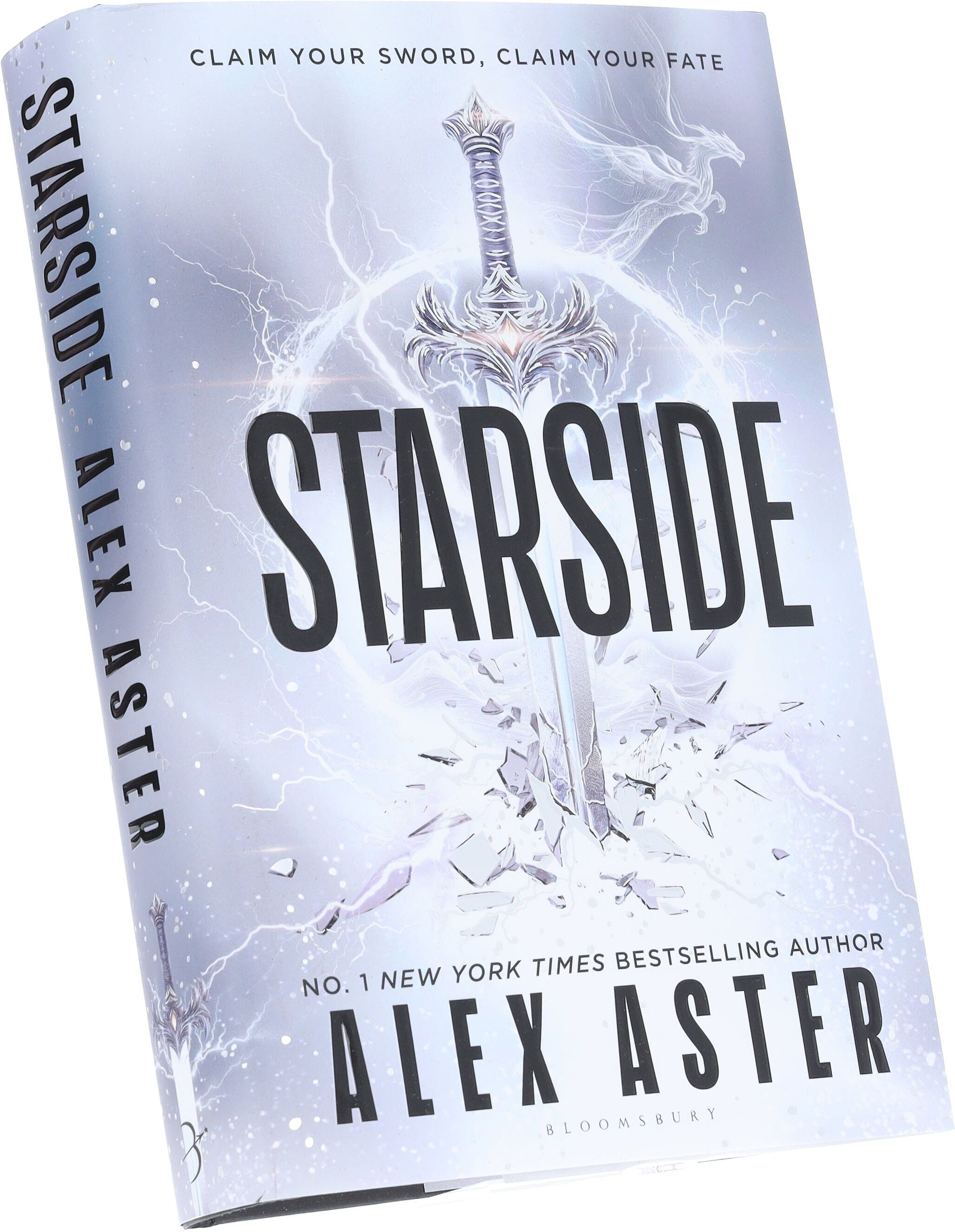
Starside: The unmissable adult romantasy debut by Alex Aster - Fiction - Hardback Bloomsbury PublishingThe stunning standard edition of Starside, with illustrated endpapers, a special hardcover case design and jacket effects. Enter the enchanting and deadly world of Starside, where swords have magic and power isn't inherited – it's claimed. Hundreds of years ago, a brutal war split a land in two. Starside is the realm of magic and immortals – the descendants of the gods, living in a power-rich paradise. Stormside is where mortals fight for scraps of that magic. Every fifty years, the gates between them open, and fifty challengers are allowed to journey across Starside on a deadly quest for magic that can heal, grant wealth or extend life. Everyone has their reasons for entering, but Aris has only one: vengeance against the gods who killed her family. Winning one of the fifty spots on the quest won't be easy. An orphaned blacksmith's apprentice, Aris doesn't have the superior weapons of the heirs from the Great Houses. But the greatest swords, ones that contain power, are not inherited or bought – they are claimed, by both sides. And when Aris claims a great sword, it makes her not just a real competitor... but a target. Countless dangers await on Starside. With a blade most would kill to take, Aris can't trust anyone. Especially not Harlan Raker, the merciless and mysterious knight who betrayed her years ago – and who may now be the key to her survival. But Aris is hiding a secret tied to her family's death. And when it's revealed, not even the gods will be able to stop what's coming...16,99 £*Shipping: 2,99 £Secure redirect to the provider



-
How does titration work?
Titration is a technique used in chemistry to determine the concentration of a specific substance in a solution. It involves slowly adding a solution of known concentration (titrant) to a solution of unknown concentration until the reaction between the two is complete. This is typically indicated by a color change or other observable change. By measuring the volume of titrant required to reach the endpoint, the concentration of the unknown solution can be calculated using stoichiometry. **
-
What is a titration?
A titration is a laboratory technique used to determine the concentration of a specific substance in a solution. It involves slowly adding a solution of known concentration (titrant) to a solution of unknown concentration until the reaction between the two is complete. The point at which the reaction is complete is called the equivalence point, which is used to calculate the concentration of the unknown solution. Titration is commonly used in chemistry for various purposes, such as determining the acidity or alkalinity of a solution. **
-
Can the titration volume be calculated without having performed the titration beforehand?
No, the titration volume cannot be accurately calculated without having performed the titration beforehand. The titration volume is determined by the amount of titrant needed to reach the equivalence point, which can only be determined through the actual titration process. The titration volume is a crucial parameter in determining the concentration of the analyte in the sample, so it is essential to perform the titration to obtain this information accurately. **
-
What does a titration curve look like when no titration is performed?
When no titration is performed, a titration curve would simply be a straight horizontal line at the initial pH of the solution being tested. This is because there would be no addition of titrant to cause any changes in pH. The curve would remain flat and unchanging until a titrant is added to initiate the titration process. **


What is the difference between a pH-metric titration and an indicator titration?
A pH-metric titration involves the use of a pH meter to measure the pH of a solution as a titrant is added to it. This allows for a precise determination of the equivalence point of the titration. On the other hand, an indicator titration uses a chemical indicator that changes color at or near the equivalence point to signal the end of the titration. While pH-metric titrations provide more accurate and precise results, indicator titrations are simpler and more commonly used in introductory chemistry labs. **
What is a back titration?
A back titration is a technique used in analytical chemistry to determine the concentration of an analyte that reacts slowly or incompletely with a direct titration method. It involves adding an excess of a known reagent to the analyte, allowing the reaction to proceed, and then titrating the excess reagent that did not react with a second titrant. By measuring the amount of the second titrant required to react with the excess reagent, the concentration of the analyte can be calculated. Back titrations are particularly useful when the analyte is volatile, weakly acidic or basic, or when there are interfering substances present. **
Top-Angebote
Products related to Titration:
-
Fourth Estate If I Survive You: The Booker Prize shortlisted literary debutAn electrifying, hilarious and deeply moving tragicomic debut novel following a Jamaican family grappling with a new life in the US. ‘What are you?’ This is the puzzled question that greets a young Trelawny growing up in a Miami where his racial ambiguity is regarded with confusion and suspicion. It’s not just his neighbours, his Jamaican parents Topper and Sanya don’t seem to understand him either. Then there’s his stubborn older brother Delano, who is determined to secure a better future for his own children, no matter what it takes. As both brothers navigate the challenges littered in their path – a woefully unreliable father, racism, recession and even a hurricane – they find themselves increasingly at odds. Will they make it through together or must one brother’s future come at the cost of the other?7,99 £*Shipping: 2,99 £Secure redirect to the provider
-
Dr. Seuss's Beginner Book CollectionA perfect gift for new parents, birthday celebrations, and happy occasions of all kinds, this collection of five beloved Beginner Books by Dr. Seuss. The Cat in the HatOne Fish Two Fish Red Fish Blue Fish Green Eggs and HamHop on Pop and Fox in...44,95 $*Shipping: 0,00 $Secure redirect to the provider
-
Hi-Line Ocean Breeze Maiden StatueInspired by classical beauty and the movement of water, this elegant maiden statue captures a graceful figure poised as if dancing in the sea breeze. With flowing drapery and a wave-inspired base, it brings a soft, romantic energy to any space.239,99 $*Shipping: 0,00 $Secure redirect to the provider
-
Starside: The unmissable adult romantasy debut by Alex Aster - Fiction - Hardback Bloomsbury PublishingThe stunning standard edition of Starside, with illustrated endpapers, a special hardcover case design and jacket effects. Enter the enchanting and deadly world of Starside, where swords have magic and power isn't inherited – it's claimed. Hundreds of years ago, a brutal war split a land in two. Starside is the realm of magic and immortals – the descendants of the gods, living in a power-rich paradise. Stormside is where mortals fight for scraps of that magic. Every fifty years, the gates between them open, and fifty challengers are allowed to journey across Starside on a deadly quest for magic that can heal, grant wealth or extend life. Everyone has their reasons for entering, but Aris has only one: vengeance against the gods who killed her family. Winning one of the fifty spots on the quest won't be easy. An orphaned blacksmith's apprentice, Aris doesn't have the superior weapons of the heirs from the Great Houses. But the greatest swords, ones that contain power, are not inherited or bought – they are claimed, by both sides. And when Aris claims a great sword, it makes her not just a real competitor... but a target. Countless dangers await on Starside. With a blade most would kill to take, Aris can't trust anyone. Especially not Harlan Raker, the merciless and mysterious knight who betrayed her years ago – and who may now be the key to her survival. But Aris is hiding a secret tied to her family's death. And when it's revealed, not even the gods will be able to stop what's coming...16,99 £*Shipping: 2,99 £Secure redirect to the provider
-
How to create a titration curve of a conductivity titration?
To create a titration curve of a conductivity titration, you would first need to set up your titration apparatus with a conductivity meter. Begin by measuring the initial conductivity of the solution being titrated. As you add titrant incrementally, record the conductivity at each point. Plot the conductivity values against the volume of titrant added to create a titration curve. The curve will typically show a sharp increase in conductivity at the equivalence point, allowing you to determine the endpoint of the titration. **
-
How does a titration with the degree of titration work?
A titration with the degree of titration works by gradually adding a titrant of known concentration to a solution of the analyte until the reaction between the two is complete. The point at which the reaction is complete is determined by using an indicator or a pH meter. The amount of titrant required to reach this point is used to calculate the concentration of the analyte in the original solution. The degree of titration refers to the extent to which the reaction has progressed and is typically expressed as a percentage. **
-
How does titration work?
Titration is a technique used in chemistry to determine the concentration of a specific substance in a solution. It involves slowly adding a solution of known concentration (titrant) to a solution of unknown concentration until the reaction between the two is complete. This is typically indicated by a color change or other observable change. By measuring the volume of titrant required to reach the endpoint, the concentration of the unknown solution can be calculated using stoichiometry. **
-
What is a titration?
A titration is a laboratory technique used to determine the concentration of a specific substance in a solution. It involves slowly adding a solution of known concentration (titrant) to a solution of unknown concentration until the reaction between the two is complete. The point at which the reaction is complete is called the equivalence point, which is used to calculate the concentration of the unknown solution. Titration is commonly used in chemistry for various purposes, such as determining the acidity or alkalinity of a solution. **
Similar search terms for Titration
-
The Handy Homestead Adjustable Floating Swim Belt For Beginner Swim Training Adjustable Floating Swim Belt For Beginner Swim TrainingFeel more confident in the water with a supportive swim training aid designed to make learning easier and more enjoyable. This floating swim belt helps beginners practice balance, kicking, breathing, and body position without feeling restricted. The...44,97 $*Shipping: 0,00 $Secure redirect to the provider
-
Men's Pioneer Stretchshell Vest in Black, Size: XS by AriatUp for anything, down for whatever weather. Designed with our three-layer Stretchshell construction, this vest is infused with stretch, from the breathable, water-resistant shell to the comfy lining and lightweight insulation. Soft and durable, it moves with you like no other. Men's Pioneer Stretchshell Vest in Black, Size: XS by Ariat119,95 $*Shipping: 0,00 $Secure redirect to the provider
-
Can the titration volume be calculated without having performed the titration beforehand?
No, the titration volume cannot be accurately calculated without having performed the titration beforehand. The titration volume is determined by the amount of titrant needed to reach the equivalence point, which can only be determined through the actual titration process. The titration volume is a crucial parameter in determining the concentration of the analyte in the sample, so it is essential to perform the titration to obtain this information accurately. **
-
What does a titration curve look like when no titration is performed?
When no titration is performed, a titration curve would simply be a straight horizontal line at the initial pH of the solution being tested. This is because there would be no addition of titrant to cause any changes in pH. The curve would remain flat and unchanging until a titrant is added to initiate the titration process. **
-
What is the difference between a pH-metric titration and an indicator titration?
A pH-metric titration involves the use of a pH meter to measure the pH of a solution as a titrant is added to it. This allows for a precise determination of the equivalence point of the titration. On the other hand, an indicator titration uses a chemical indicator that changes color at or near the equivalence point to signal the end of the titration. While pH-metric titrations provide more accurate and precise results, indicator titrations are simpler and more commonly used in introductory chemistry labs. **
-
What is a back titration?
A back titration is a technique used in analytical chemistry to determine the concentration of an analyte that reacts slowly or incompletely with a direct titration method. It involves adding an excess of a known reagent to the analyte, allowing the reaction to proceed, and then titrating the excess reagent that did not react with a second titrant. By measuring the amount of the second titrant required to react with the excess reagent, the concentration of the analyte can be calculated. Back titrations are particularly useful when the analyte is volatile, weakly acidic or basic, or when there are interfering substances present. **
* All prices are inclusive of VAT and, if applicable, plus shipping costs. The offer information is based on the details provided by the respective shop and is updated through automated processes. Real-time updates do not occur, so deviations can occur in individual cases. ** Note: Parts of this content were created by AI.